From First Dates To Coming Out: LGBTQ+ People Still Have To Explain Themselves Constantly


New research from Taimi is shining a light on a reality many LGBTQ+ people know all too well: coming out is rarely a one-time thing. From first dates to doctor’s appointments to awkward workplace introductions, disclosure is still part of everyday life for many queer people in 2026. While visibility and representation have come a long way, the emotional effort behind constantly explaining who you are has not disappeared. Instead, for many LGBTQ+ people, it has simply become part of the routine.
Based on responses from 1,200 LGBTQ+ adults aged 18 to 45, including trans and non-binary respondents, Taimi’s research explores how repeated coming out impacts dating, mental health, relationships, and personal safety within the community.
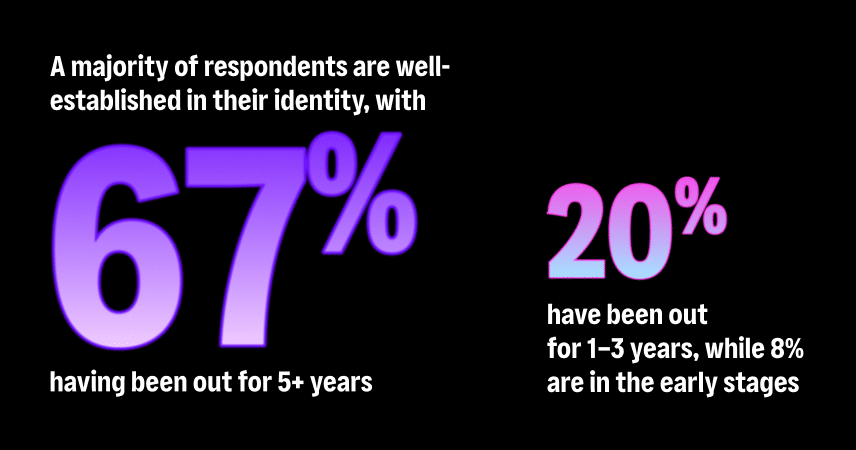
A lot of respondents have been out for years, but that does not mean they have magically unlocked a life where coming out never happens again. For many LGBTQ+ people, it is less of a one-time announcement and more of an ongoing part of everyday life. New friend group? New coworker? First date? Somehow the conversation keeps finding its way back.
While most respondents said they have been openly part of the community for more than five years, others are still figuring things out in real time. The data shows there is no single “right” timeline for being out, and that queer identity is still shaped by visibility, safety, and finding spaces where people can just exist without having to explain themselves first.
Family Acceptance?… It’s complicated
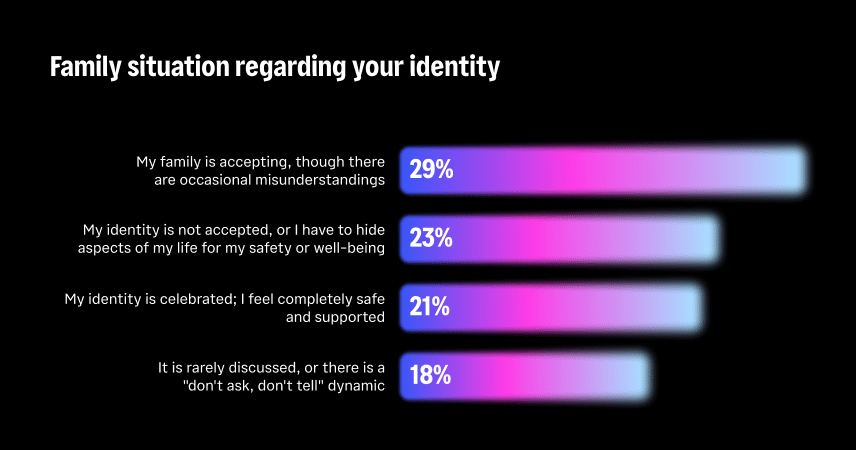
Family support is not always as simple as a rainbow flag in the bio and a “love is love” mug in the kitchen. Many respondents said their families are supportive in theory but still struggle to fully understand queer identity in practice. Others admitted they still hide parts of themselves at home to avoid conflict or protect their safety.
That constant balancing act can be exhausting. Even years after coming out, many LGBTQ+ people are still navigating what feels safe to share, what needs explaining, and where they can fully relax and be themselves.
It’s Not a One Time Thing
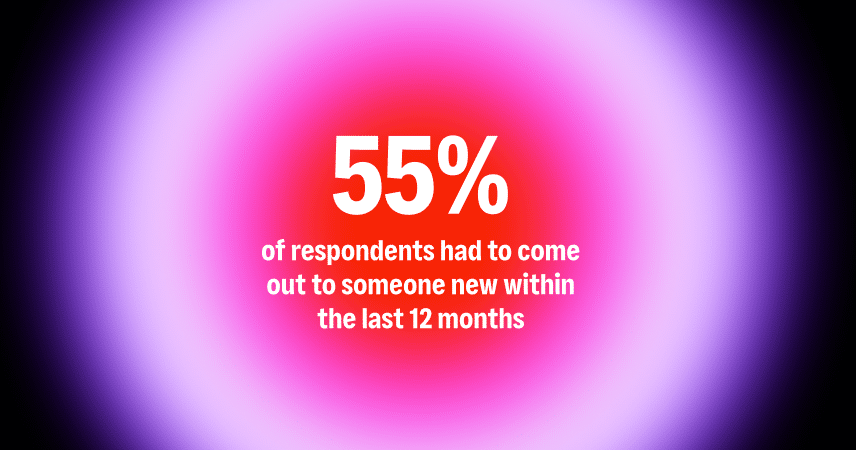
More than half of respondents said they came out to someone new in the past year. For LGBTQ+ people, coming out is not a one-time announcement or a single big moment. It is something that can show up in everyday life, often when you least expect it.
It happens repeatedly in new friendships, on first dates, in doctors’ offices, and in all the little spaces where you are simply getting to know someone.
Time and Time again…
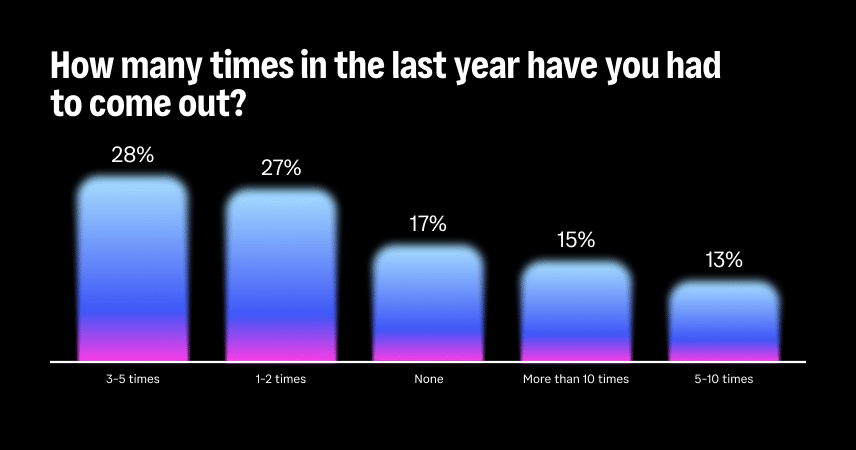
The tea? Over a quarter of respondents said they had to share their identity multiple times over the past year. For many LGBTQ+ people, it is not a one-time conversation but something that comes up again and again in different moments and with different people.
Having to repeat something so personal can start to feel tiring over time. When every new reaction is uncertain, even simple introductions can carry emotional weight and build up a quiet sense of fatigue. This is something the LGBTQ+ community has to navigate daily.
Diva It’s Giving Disclosure
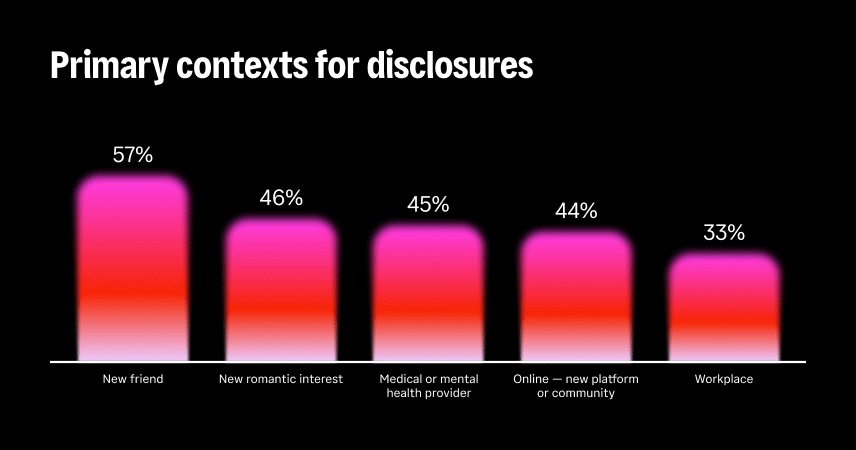
New friends, dating, workplaces, online spaces, and healthcare settings all show up as the main places where LGBTQ+ people often feel the need to share who they are. It becomes part of moving through the world, like a quiet checkpoint in all the different spaces life opens up.
The research makes it clear that there are still very few places where LGBTQ+ people can simply exist without having to explain themselves first. In a perfect world, being yourself would not need a preface.
The Emotional Toll? It’s Mixed.
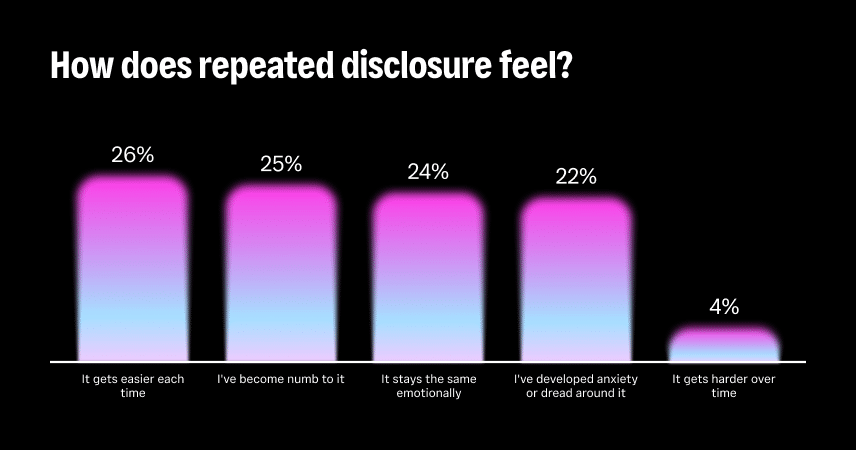
25.5% of respondents said that coming out gets easier with time, like something you learn to move through more smoothly. Others shared a different reality, describing how it can start to feel emotionally flat or even numbing after repeating it so many times.
A notable group also said it now brings anxiety or a sense of dread before it even happens. The experience really varies from person to person, like many things in the queer community it’s not one-size-fits-all.
Disclosure and Dating What’s The Vibe?
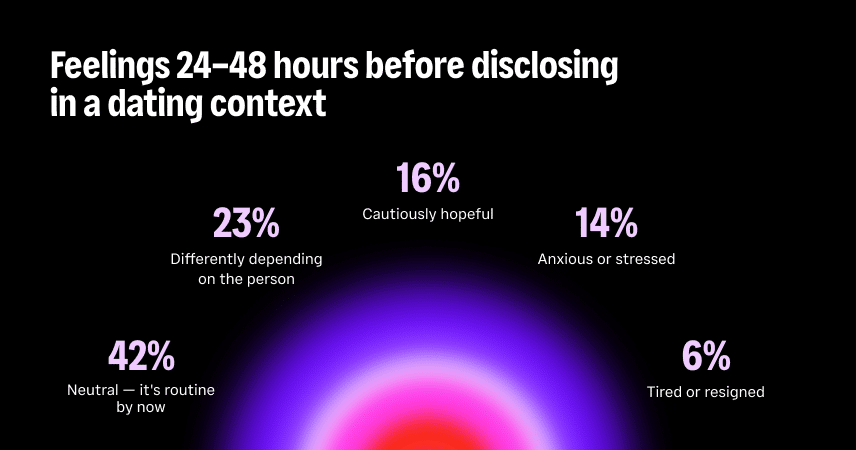
The vibe is 42.1% of respondents described feeling neutral, while others shared feelings of stress or emotional exhaustion. Even before a first date begins, many LGBTQ+ daters are already carrying the emotional work of deciding how and when to share something personal.
This means that before any real connection even starts, there is often an invisible layer of effort happening in the background. It shapes how people show up, how relaxed they can feel, and how they can enjoy getting to know someone.
Does Disclosure Change Dating?
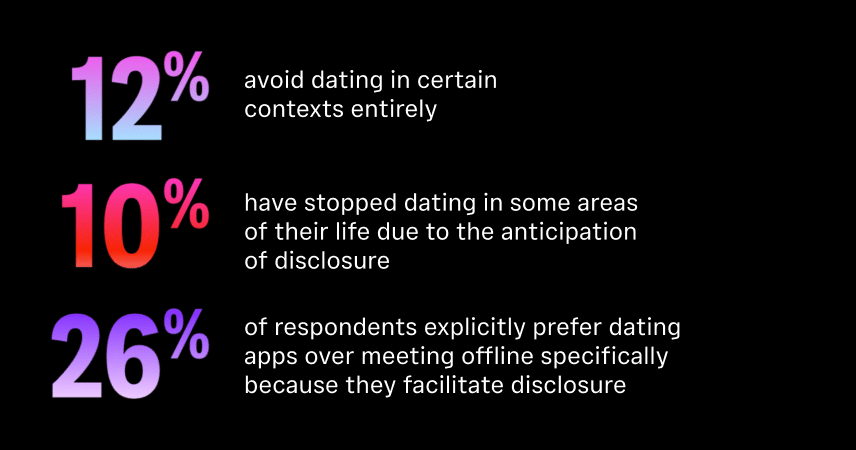
21.8% of respondents said they avoid certain dating environments altogether because of the pressure that comes with having to come out. For them, it can feel easier to step back than to constantly prepare for those conversations.
Others shared that they narrow their dating lives to protect their energy, choosing situations where they expect fewer difficult explanations or uncomfortable reactions. It is often less about avoiding connection and more about managing how much emotional effort dating can take.
Does Disclosure Lead to Lost Love?
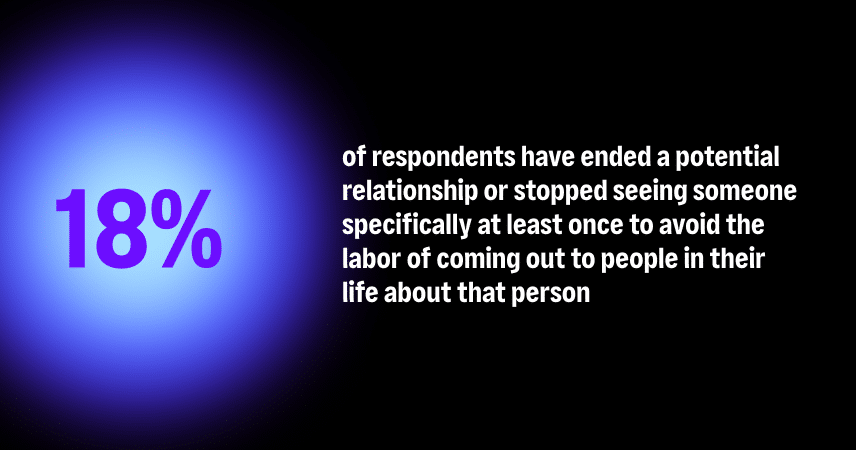
18% of respondents said they have ended a potential relationship or stopped seeing someone at least once, just to avoid the effort of coming out to people in their life about that person.
For many LGBTQ+ people, it is not always the feelings that end things, but the emotional weight of what comes next. Sometimes it feels simpler to step away than to take on all the conversations that would follow.
First Date Nerves Are Hard Enough
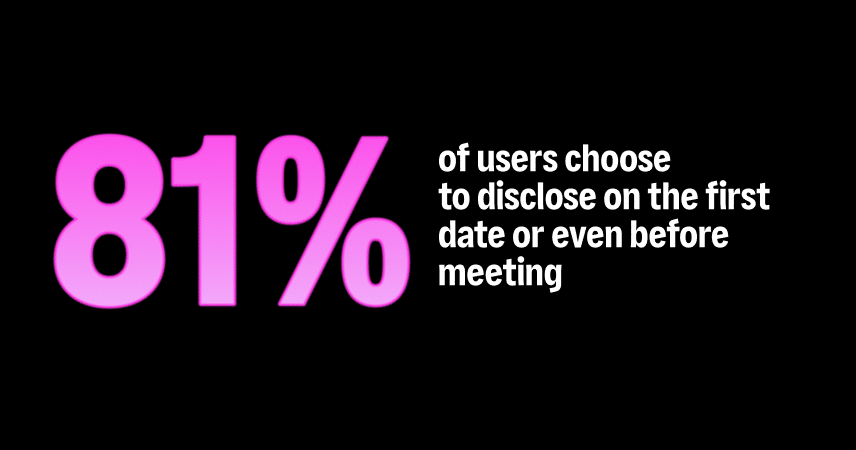
80.7% of respondents said they prefer to share their identity before meeting in person or even before the first date. For many, it just feels easier to put it out there early instead of waiting for an awkward moment later.
The research shows LGBTQ+ daters really value honesty and emotional clarity from the jump. It sets the vibe right away, so people can focus on connection, chemistry, and whether it feels right, without the guesswork in the background.
The Script Isn’t Simple
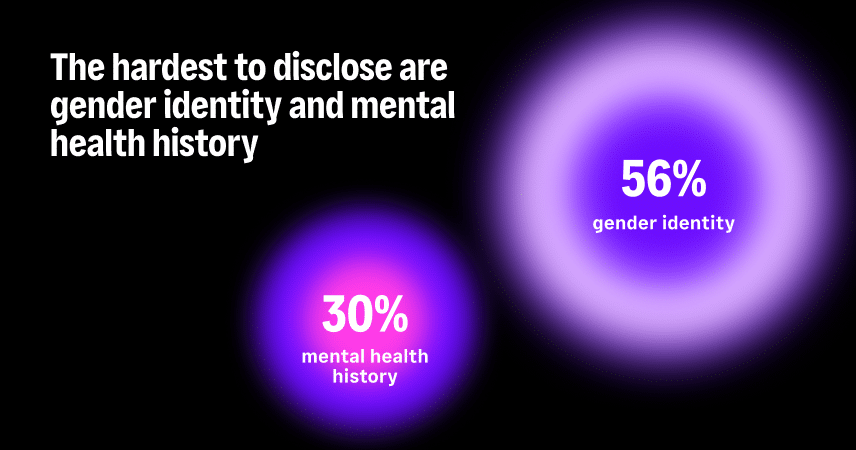
When it comes to what feels hardest to share, gender identity came out on top at 56%, followed by mental health history at 30%. These are deeply personal parts of people’s lives, so it makes sense that they do not always come with a simple script, even if the world often expects one.
On a scale of 1 to 5, respondents reported spending an average of 2.7 on mental energy just thinking about what they would need to disclose in a new relationship. So even before anything even starts, there is already a quiet background tab running in the brain labelled “how do I say this later.”
Dating Apps What’s The Deal
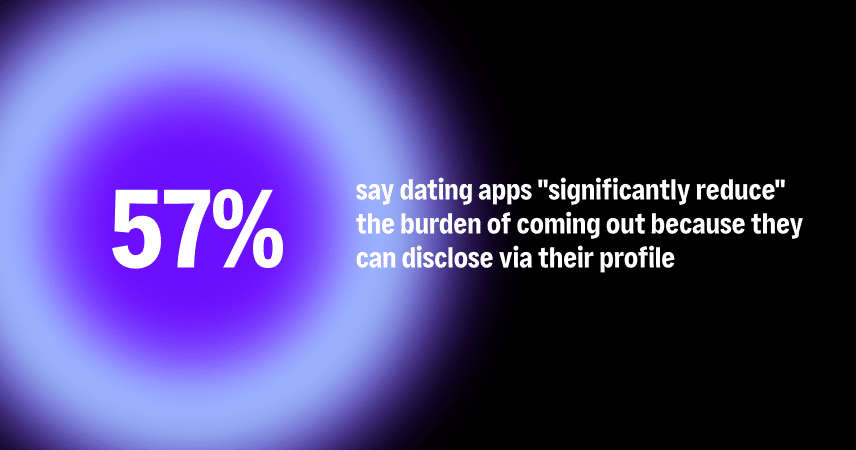
57% of respondents said dating apps significantly reduce the burden of coming out, because they can simply share who they are in their profile. It turns something that can feel heavy or high stakes into a quieter, more controlled moment.
Instead of waiting for the right timing in conversation, people can set the tone from the start. That kind of upfront clarity helps make dating feel less like a reveal and more like just being real from the very first swipe.
The Community Deserve Better Spaces
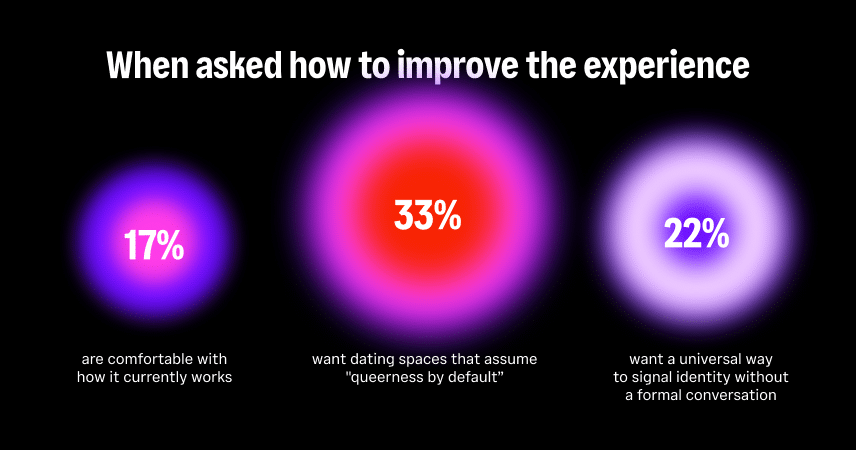
Respondents said they want dating spaces that just get it from the start, where queerness is already assumed and nobody has to turn identity into a whole formal announcement. The vibe they are asking for is simple: less explaining, more existing.
Many also felt that current systems still put too much of the emotional and social work on LGBTQ+ people to constantly define themselves. What they want instead is a setup where they are not always the ones doing the explaining, so they can spend more energy actually connecting.
Coming Out… With a Conclusion
The findings paint a clear picture. Coming out is not a single milestone for LGBTQ+ people, it is an ongoing emotional process that shows up across friendships, dating, healthcare, and everyday life. For many respondents, the constant need to assess safety, explain identity, and manage reactions creates a quiet but lasting mental load. At the same time, the research highlights a growing demand for queer centred spaces that reduce that pressure and make authenticity feel easier. As conversations around mental health continue to evolve, this data makes one thing clear, LGBTQ+ wellbeing cannot be separated from the everyday reality of disclosure.