
Fluid Genders
History
To understand what gender fluid means, it helps to understand some of the history of gender identity, gender expression, and how thoughts on this have evolved over time?
The History of Gender Identity And Gender Expression
Although terms like gender identity, gender expression, and gender fluidity are fairly new, they are based on a long history of attitudes and ideas about gender. Throughout history, people have been divided into groups according to their perceived genders. Then, certain roles, limitations, and obligations were placed on those people accordingly. How that was done varied. Different cultures have different views on gender and gender roles. There’s also been an evolution of understanding and attitudes on the topic of gender.
When Was Gender Fluidity Conceived?
The first mention of gender fluidity was in a book by Kate Bornstein titled Gender Outlet: Men, Women, and The Rest of Us. This was published in 1994. Another use of gender fluid came in 1996 when transgender advocate Michael M. Hernandez wrote about the topic of being gender fluid in a piece called Boundaries Gender And Transgenderism published in Second Coming: a Leatherdyke Reader, “Gender-fluid means that their gender identity and/or expression encompass both masculine and feminine. Gender fluidity is becoming commonly known as transgenderism: the ability to transcend gender, whether biological, emotional, political, or otherwise; truly mixing male and female.”
Although there is some documented history on the use of the term gender fluid, the concept itself has existed as long as gender roles and gender expression has. There have always been people who have identified with multiple genders or had a fluctuating relationship with their gender. Gender fluidity recognizes this and just gives us a word to use to describe it.
Flags & Symbols
There are several flags and symbols that a gender fluid person might use to represent themselves or show pride in their identity.
Gender Fluid Flag
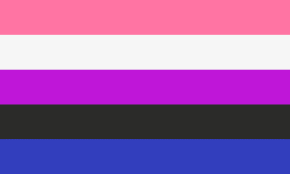
The gender fluid flag was created by JJ Poole in 2012. The blue and pink represent masculinity and femininity. Purple represents both. White represents all genders, and black is for a lack of gender.
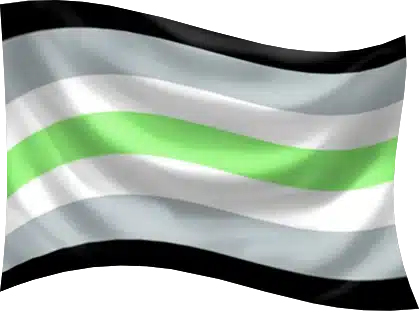
This flag represents people who do not identify with a specific gender or feel no attachment to gender identity.
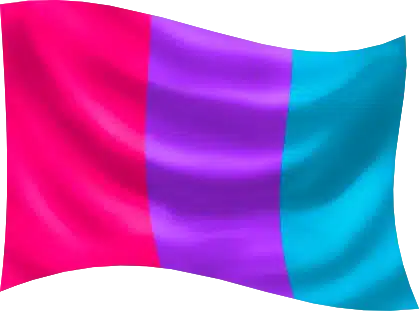
Bigender people align with two gender identities which may be man and woman, or something else.
Genderqueer people may align with a genderfluid identity, or use the term as a personal or political statement rejecting traditional norms.
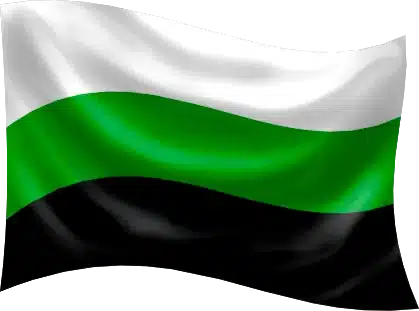
This is a nonbinary identity where people see themselves as neither masculine or feminine with no need to express any specific gender.
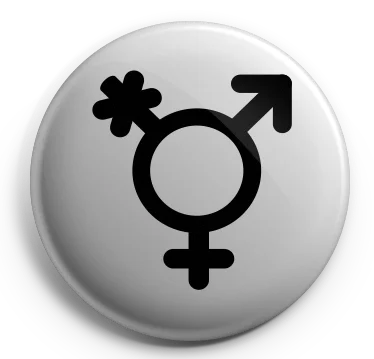
The transgender flag might be used by a genderfluid person who also identifies as trans.

Some gender fluid people may align with a third gender as part of their identity development or spectrum.
Genderflux is a category where genderfluid individuals identify with a particular gender in various levels of intensity. For example, they may fluctuate from demigirl to fully identifying as a woman.
Is my Gender Identity Fluid?
Are you gender fluid? There’s nothing wrong with being gender fluid, and if you discover that this is how you identify, you may feel happier accepting that and living authentically.
Start by examining your feelings about your gender. Do you feel comfortable identifying with just one gender, or do you resonate with multiple genders. If you do identify as gender fluid, know that you don’t have to change anything about yourself. Although, changing gender expression is one way to get to know yourself better and feel more confident in any future gender identity that works for you.
You can also seek out support. There are online communities and local queer organizations for transgender, non-binary, and genderfluid people. You will find people who understand what you are going through, and have advice to help you
How to Support Someone Who is Fluid?
What do you do when a friend or family member tells you they are gender fluid. What if that gender fluid person is a kid? In either case, you listen, affirm, and support. Steer them towards trusted professionals and support group. Respect where they are in their journey, and understand that feelings change. This doesn’t mean that anything they are expressing right now is inauthentic or doesn’t deserve to be validated.
It can be complicated if the person is a kid. On one hand, questioning gender and gender expressions is part of the normal exploration process kids go through. Support them if they choose to experiment. Don’t dismiss them. However, if it becomes clear over time that this isn’t a phase, then you must accept that this person’s gender may be fluid. Also, because a person currently identifies as a single gender, that doesn’t mean they are no longer gender fluid. Some genderfluid people will align with one gender for a period of time.
One thing you can do is encourage them to get to know people whose gender identity is similar to theirs. They may need to talk to someone who under stands gender changes. Help them find movies or books with genderfluid characters to help them find representation. Seeing a character navigate complex stories can help someone whose gender identity is fluid.