Taimi Mental Health Report 2026: The Emotional Cost of Connection

The New Era of Queer Love: Healthier, Happier, and On Our Own Terms
Dating is always intertwined with emotional energy. In 2026 queer daters are choosing to put their well-being before burnout. Daters are no longer willing to suffer for love, push through red flags and ignore personal boundaries. Taking care of your mental health isn’t a radical choice anymore, it’s the baseline.
Based on Taimi’s insights from more than 2100 LGBTQ+ users across the United States, the data makes one thing clear: modern queer dating isn’t about how much you can endure. It’s about protecting your peace and building connections that feel good to be in.
Mental Health Is Now the Foundation:
Queer dating isn’t just about steamy hot chemistry and convenient connections; it’s about emotional safety. Daters are rejecting the notion that love must come with anxiety, burnout or self-sacrifice. Instead, they’re creating a new narrative that leads with self-awareness, clear boundaries and self-care.
New data from Taimi shows just how central that shift has become:
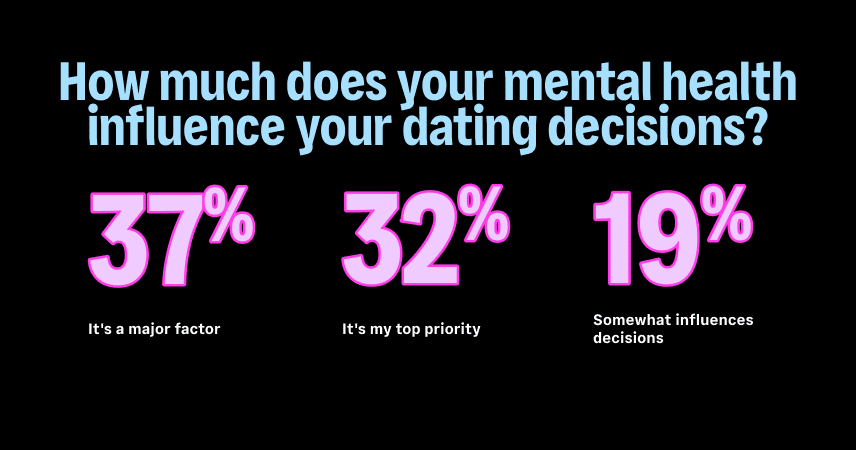
When asking users ‘how much does your mental health influence your dating decisions?’ 36.9% reported ‘it’s a major factor’ and 32.5% reported ‘it’s my top priority’.
Mental health is no longer something people manage behind the scenes. It is something that actively shapes how they date, who they communicate with and what they’re willing to accept. For queer daters, protecting their peace is nothing to do with selfishness, it’s essential. Emotional well-being isn’t competing with romance, it’s defining it.
It’s Not Just Individual It’s Cultural
In a culture that encourages and is based on constant swiping, scrolling and stimulation, long gone are the days of expecting daters to be continuously available. Queer daters are prioritizing logging off and resetting, taking time for their mental health.
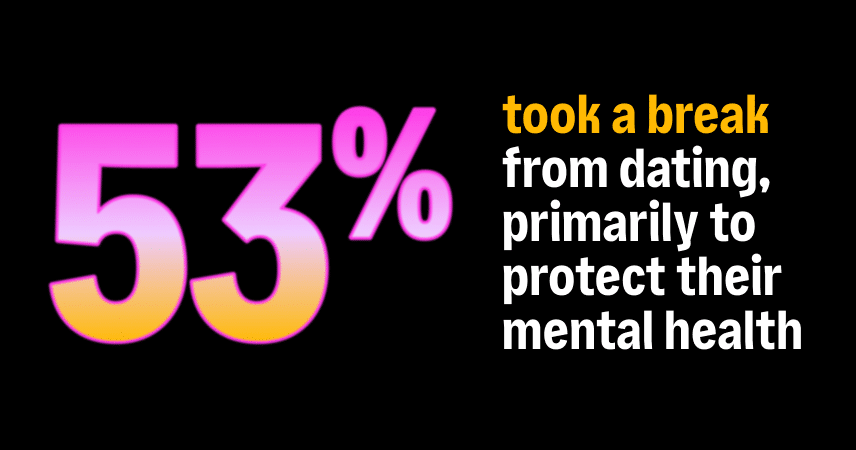
Over 73% of respondents reported taking a break from dating for their mental health and over half have done it more than once.
We are witnessing a shift from pressure to self-preservation. Taking breaks from the world of dating is just another way to set a personal boundary. Queer daters taking breaks are focusing on creating a much more healthy and intentional way to date. They’re not chasing any and all connections, they’re proving that sometimes the most important relationship is the one you have with yourself.
Dating Is Like a Tiramisu – It’s Layered
Dating isn’t just exciting, it’s layered. It can be vulnerable, deeply personal, overwhelming, and enjoyable. Queer daters are entering the dating world with openness but also emotional awareness.
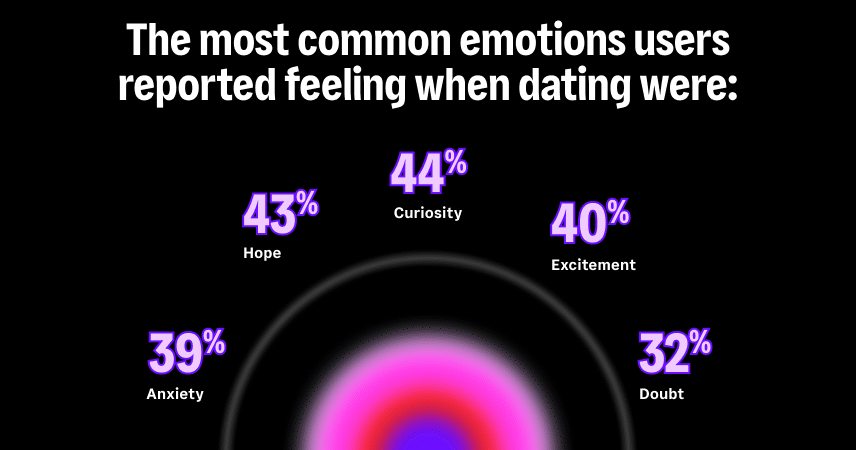
The most common emotions users reported feeling when dating were:
- 44% Curiosity
- 42.6% Hope
- 40% Excitement
- 39% Anxiety
A mixed response that reflects both optimism and self-protection. This emotional duality defines modern queer dating. Queer daters aren’t cynical; they’re intentional. They’re allowing themselves to feel excitement and hope whilst also navigating and acknowledging feelings of anxiety and uncertainty as part of the process. They’re embracing the full emotional spectrum of dating.
What’s Hurting Queer Daters the Most?
The emotional impact of dating isn’t constant- it depends on the experience. When communication is clear and intentional, dating can feel affirming. But when it’s inconsistent or dismissive, the mental health toll is immediate.
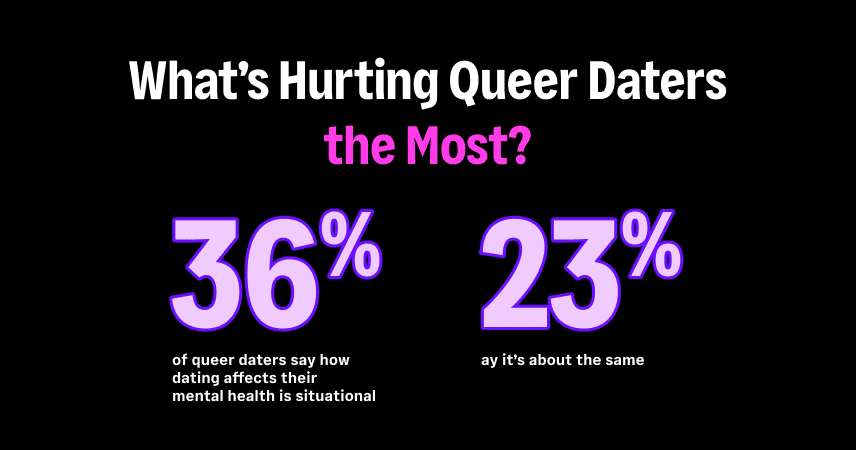
According to the data 36% of queer daters say how dating affects their mental health is situational and 23.6% say it’s about the same. Insightfully the biggest triggers around negative emotional experiences in the sphere of dating are around inconsistent communication at 38% and Ghosting at 35% followed by feeling disposable at 27% and rejection fatigue at 23%.
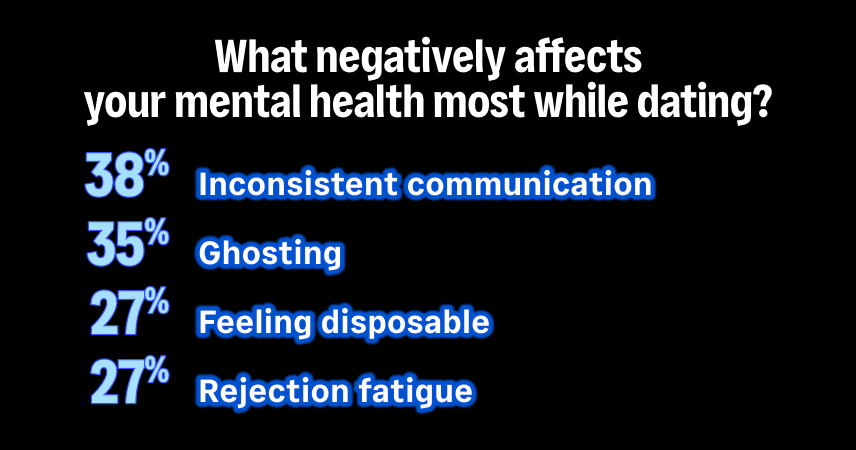
The pattern is clear. It’s not dating itself that negatively impacts daters mental health; it is how other daters show up. Lack of clarity, effort, and emotional accountability can quickly turn hopeful experiences into draining ones. As a result, this generation is raising its standards around communication and respect. They’re no longer normalizing behaviours that leave them feeling replaceable, and they’re actively reshaping dating culture into one that values consistency, presence, and emotional care.
Emotional Availability it’s a Choice
For many queer daters protecting their mental health is starting to take priority over being constantly available. Daters are becoming far more intentional, that’s the take.
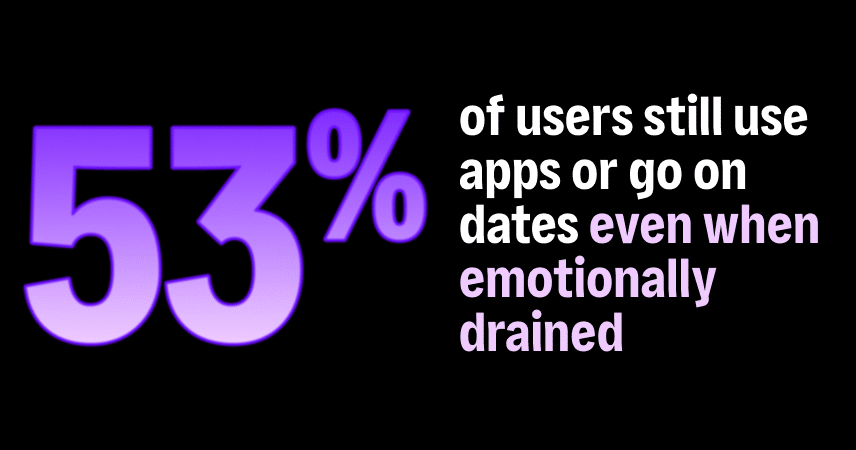
While 53% of users say they still use apps or go on dates even when emotionally drained, including 18% who do so often out of obligation, nearly half (47%) are setting firmer boundaries with their energy.
This reflects a generation in transition. While dating fatigue is still common, more queer users are learning to step back, listen to themselves, and stop forcing connection when they’re not in the right headspace. Emotional availability is no longer assumed; it’s a choice.
Red Flags Aren’t Right
Even in a generation known for boundary-setting, loneliness can still blur the line between intuition and hope.
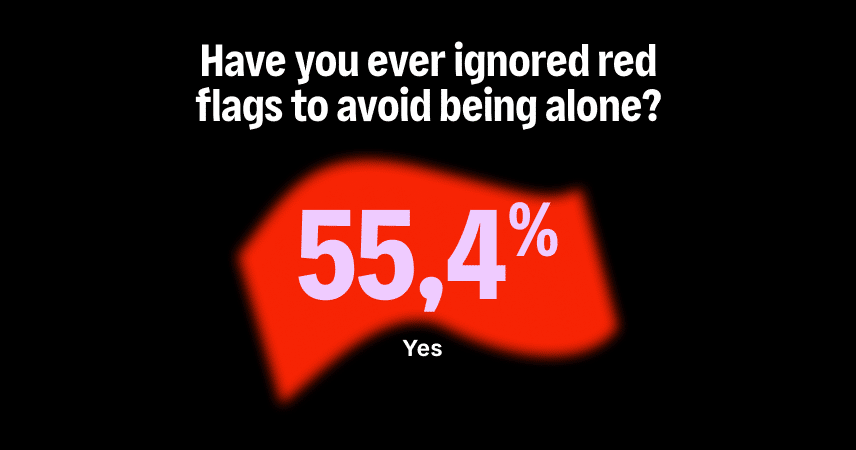
According to research from Taimi, 55% of LGBTQ+ users admit they’ve ignored red flags to avoid feeling alone highlighting the emotional tension between protecting your peace and wanting connection.
It’s a reminder that self-awareness doesn’t always mean self-protection especially when loneliness is involved. But as queer daters become more emotionally literate, more users are learning that the right connection won’t require them to overlook what doesn’t feel right.
Serving Honesty
Mental health conversations are no longer seen as “too much” too soon, they’re becoming part of how real connections are built.
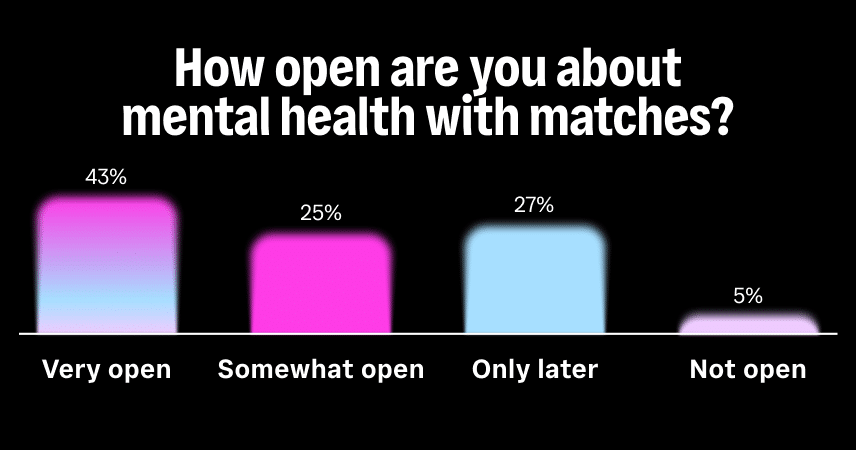
According to data from Taimi, 43% of users say they’re very open about their mental health from the very start of a relationship, while 25% are somewhat open early on and 27% prefer to wait until trust is established.
This signals a shift toward radical emotional transparency. For many queer daters, being upfront about their mental health isn’t oversharing, it’s a way to filter for safer, more understanding connections from the beginning.
Emotional Labor is Giving…Mother
Emotional effort is now an expected part of the process, not an exception. Dating isn’t just about attraction; it requires communication, vulnerability, and constant emotional awareness.
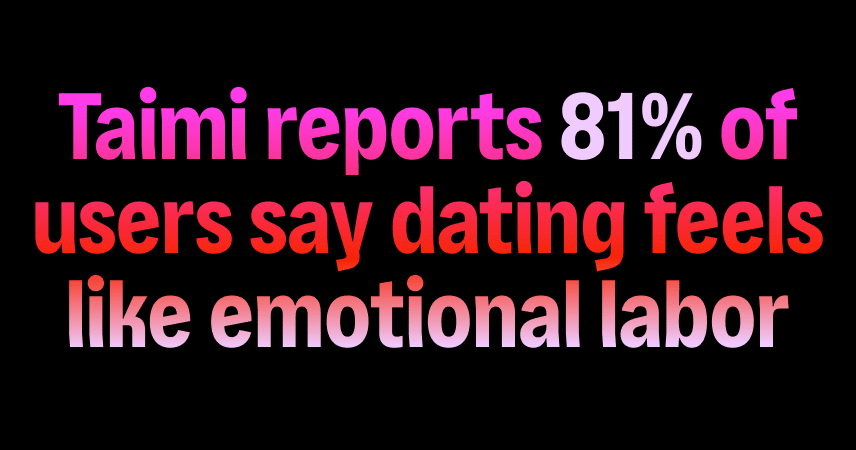
Taimi reports 81% of users say dating feels like emotional labor to some degree, with 37% saying it feels like labor often or always.
This reflects a generation that is deeply aware of the emotional cost of connection. Rather than ignoring that reality, queer daters are acknowledging it and becoming more intentional about where and how they invest their energy.
Clarity Comes in Clutch
Clarity is becoming the new standard in queer dating. Instead of guessing intentions or navigating emotional ambiguity, queer users are increasingly prioritizing directness from the start.
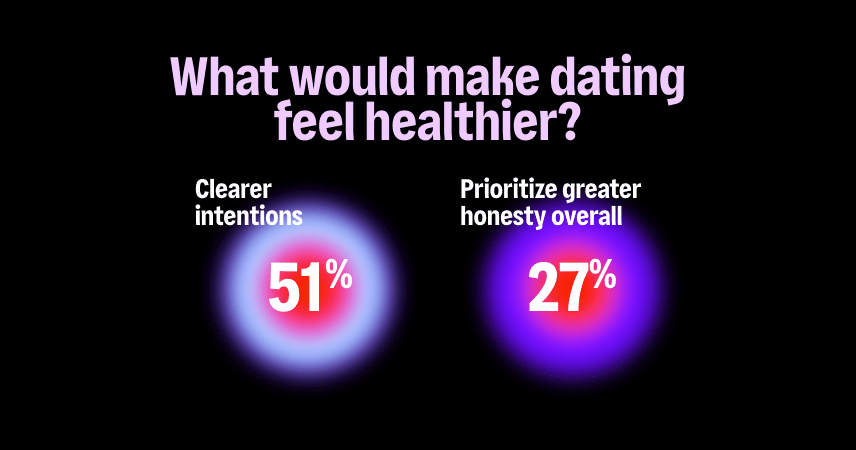
In fact, 51% say clearer intentions would make dating feel significantly healthier, while 27% prioritize greater honesty overall.
For queer daters, emotional safety starts with transparency. The more direct the connection, the less emotional strain and the more space there is for trust to grow.
Cut Out What Doesn’t Serve You
Emotional exhaustion is changing how long queer daters stay in relationships that don’t serve them. Nearly half of users 48% say they’ve stayed in an unhealthy situation simply because starting over felt too emotionally draining.
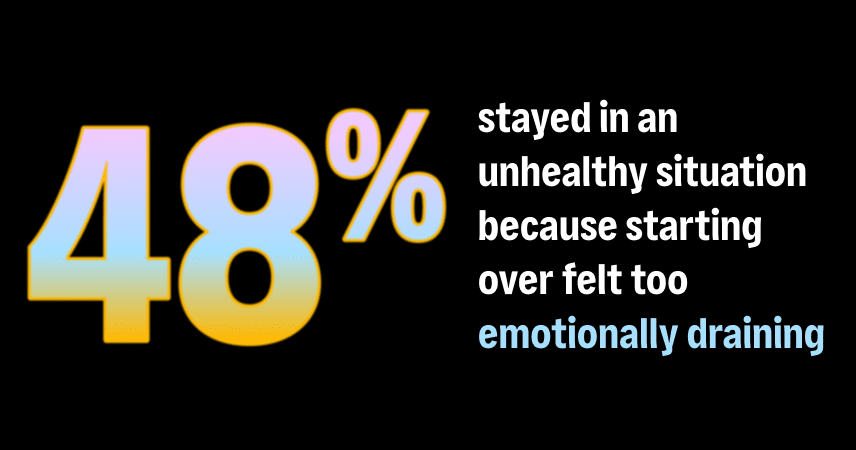
This highlights the emotional weight of modern dating. But it also reinforces why this generation is learning to recognize unhealthy patterns earlier and choosing themselves sooner.
Blessed By Boundaries
Queer daters aren’t just talking about boundaries, they’re actively practicing them. The most common strategies for protecting mental health while dating include being clear about intentions 59% and setting clear boundaries 50%.
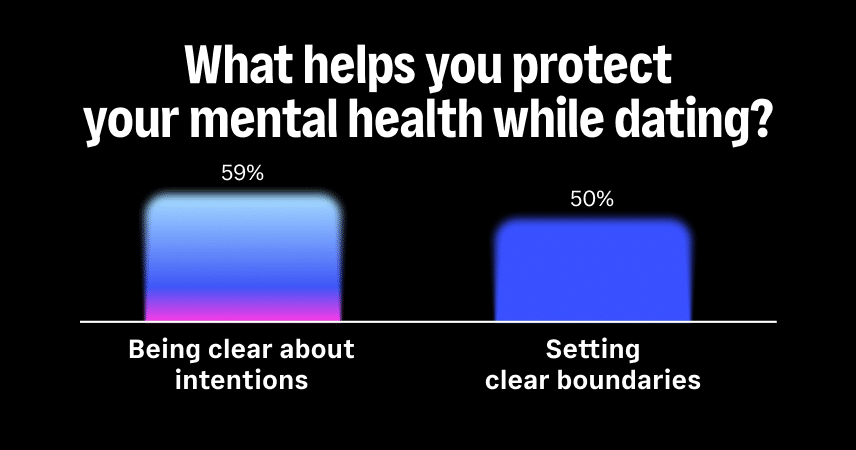
This signals a shift toward more intentional dating. Boundaries are no longer seen as barriers, they’re tools for building safer, healthier connections.
The Tea? Self-Awareness… Slays
Self-awareness has become a core part of how queer people navigate relationships.
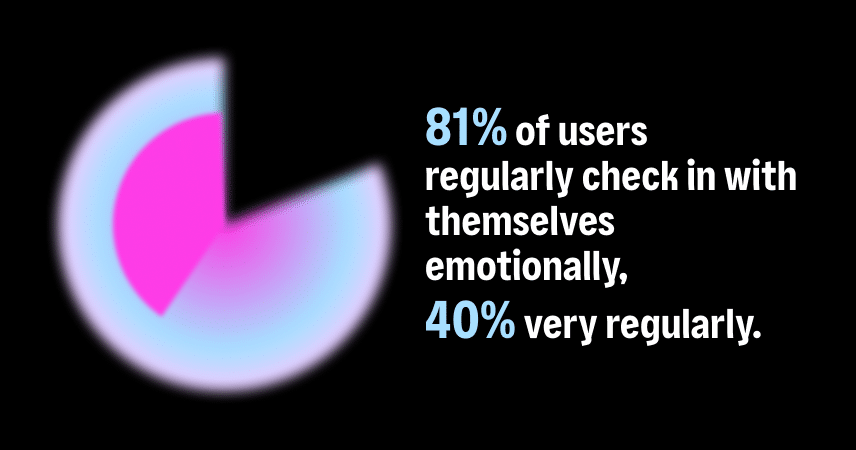
An overwhelming 81% of users say they regularly check in with themselves emotionally, including 40% who do so very regularly.
This emotional self-monitoring reflects a generation that prioritizes internal clarity. Before committing to others, they’re making sure they stay connected to themselves.
You Better Do the Self Werk…
Personal growth is reshaping queer dating from the inside out. According to the data, 78% of users say self-work has changed how they approach relationships, with 39% reporting a significant transformation.
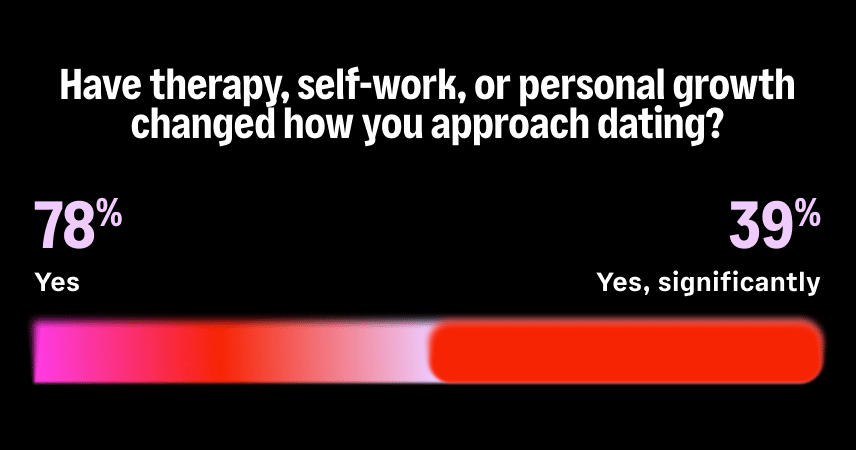
This shows that queer daters aren’t just dating differently, they’re evolving emotionally. Growth isn’t separate from dating anymore. It’s guiding it. Doing the self-work is the hottest look.
Are they a Grower?
Growth among queer daters is showing up in multiple ways. Users report improvements in selectivity 19%, self-awareness 19%, self-respect 17%, and direct communication 17%.
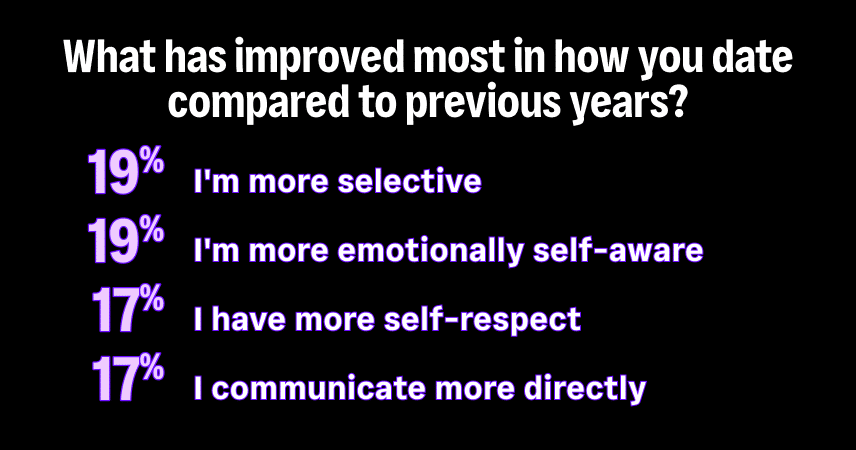
Rather than chasing connection at any cost, this generation is becoming more intentional, more confident, and more aligned with what they truly need.
The Top Priority? Protecting your Peace
Dating isn’t just about chemistry or romance, it’s about entering relationships from a place of stability, self-awareness, and inner calm. Protecting your peace has become the baseline.
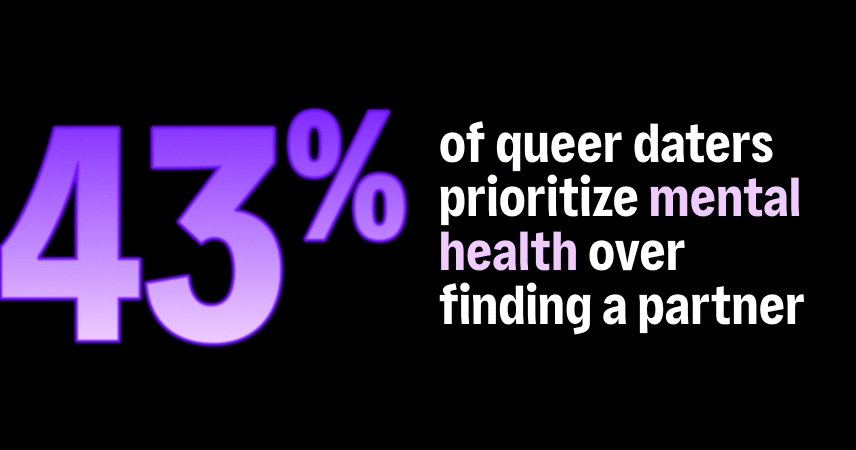
43% of queer daters say maintaining their mental health takes priority over finding a partner, while another 26% are actively working to balance both.
This represents a shift in values that is as practical as it is profound. Love still matters but not when it compromises your mental health or peace of mind. For queer daters in 2026, the healthiest, most sustainable relationships begin with self-care and self-respect.
So, Let’s Wrap This Up
For queer daters in 2026, protecting your peace isn’t optional, it’s the foundation of every connection. Love is no longer worth sacrificing your emotional well-being for. Modern queer dating is intentional, centred on self-awareness, clear boundaries, and entering relationships from a place of stability and calm. By putting their well-being first, queer daters are creating connections that uplift rather than drain them, proving that the most meaningful love begins with a strong, centred self.